
Wireless charging feels like the future: set the phone on a pad and it charges, no fumbling with cables. The convenience is real, but it comes with costs that are easy to overlook, in speed, in wasted energy, and in heat that quietly ages the battery. Understanding what wireless charging actually costs you helps you decide when the convenience is worth it and when a cable is the better choice.
How wireless charging works
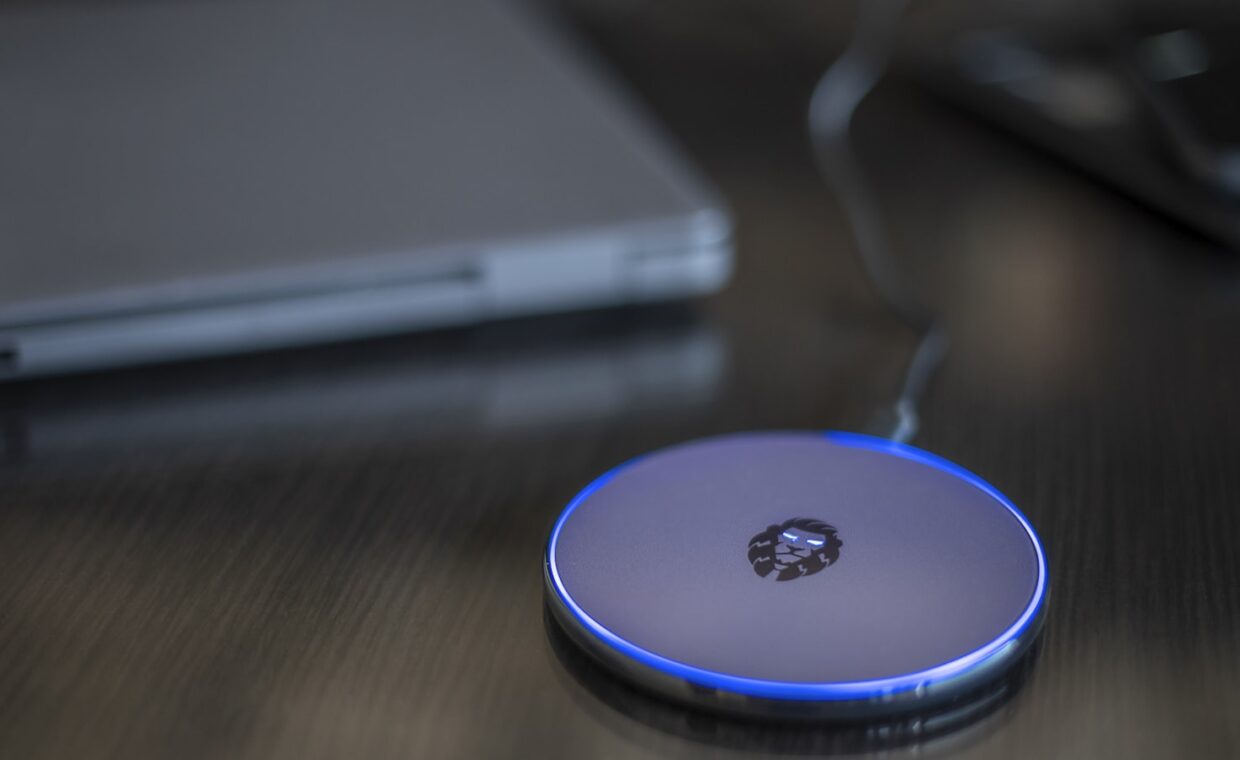
Wireless charging uses induction: a coil in the charging pad creates a magnetic field, and a coil in the phone converts that field back into electricity to charge the battery. The two coils must be aligned and close together, which is why a phone charges only when placed correctly on the pad and stops if it slides off. This coil-to-coil transfer across a small air gap is the heart of the technology, and it is also the source of its inefficiency, because transferring power through the air is inherently less efficient than sending it down a wire.
Energy lost as heat
The central cost of wireless charging is that some of the energy is lost in the transfer, turned into heat rather than stored in the battery. Wireless charging is meaningfully less efficient than wired charging, so charging a phone wirelessly draws more power from the wall for the same amount of energy delivered to the battery, and the difference is released as heat in the pad and the phone. This makes wireless charging both more wasteful of electricity and warmer than plugging in, and the heat is the part that matters most for the phone.
| Aspect | Wired | Wireless |
|---|---|---|
| Efficiency | High | Lower, energy lost as heat |
| Speed | Faster | Usually slower |
| Heat | Less | More |
| Convenience | Cable needed | Just set it down |
Why heat matters for the battery
Heat is the single biggest factor in how fast a phone battery ages, as the guide on how a phone’s battery shapes its life explains, so a charging method that runs warmer has a real long-term cost. A phone charging wirelessly in a warm room, or left on a pad for hours, spends that time warmer than it would plugged in, and over months and years that added heat contributes to faster battery wear. For an occasional top-up this is negligible, but as a phone’s primary overnight charging method, wireless charging’s extra heat is a genuine, if modest, tax on battery longevity.
The speed difference
Wireless charging is usually slower than wired charging, sometimes considerably, because the inefficient transfer and the need to manage heat limit how much power can be pushed through. Some phones and pads support faster wireless charging, but it generates even more heat, and it still rarely matches the fastest wired speeds. If you need to charge quickly, a cable is almost always faster, which makes wireless charging best suited to situations where speed does not matter, such as topping up through the day at a desk, rather than a rushed charge before leaving.
When wireless charging makes sense
Despite the costs, wireless charging has a real place. Its convenience genuinely suits a desk or bedside pad where you set the phone down repeatedly through the day and never think about cables, keeping the phone topped up without wear on the charging port. It is ideal for casual, frequent top-ups where speed is irrelevant and the phone is not left to cook for hours. Where it is a poorer choice is as the sole overnight charger in a warm room, or when you need speed, situations where a cable’s efficiency and lower heat serve the battery better. Used thoughtfully, for convenient daytime top-ups rather than as the only charging method, wireless charging’s costs stay small and its convenience is genuine, a balance similar to the tradeoffs weighed in the guides on how phone hardware balances competing demands and choosing convenience against other factors. The underlying efficiency and wear principles are the same ones that govern the walkthrough on how all hardware ages, and contactless features share the same coil technology as covered in the piece on how tap-to-pay works.
Alignment, cases, and getting it right
Wireless charging only works well when the phone’s coil aligns with the pad’s coil, and misalignment is a common, quiet problem. A phone set down slightly off-centre may charge slowly, intermittently, or not at all, sometimes without any obvious indication, so people wake to a phone that barely charged overnight. Pads with a larger coil area or multiple coils are more forgiving of placement, while cheaper single-coil pads demand precise positioning. If wireless charging seems unreliable, alignment is the first thing to check.
Cases interact with wireless charging too. Most thin cases are fine, since the magnetic field passes through them, but a thick case or one with metal content or an embedded card can block or weaken the charging, or prevent it entirely. If a phone will not charge wirelessly through its case, the case is the likely culprit. These practicalities, precise placement and case compatibility, are part of the true cost of wireless charging’s convenience: it is effortless when set up well and quietly unreliable when not, which is worth weighing against the simple certainty of plugging in a cable.
Common questions, answered
Is wireless charging bad for the battery?
Not directly, but it runs warmer than wired charging, and heat is the biggest factor in battery ageing, so it has a modest long-term cost. For occasional top-ups this is negligible. As a phone’s only overnight charger in a warm room, the extra heat contributes to faster battery wear over months and years. Using it for convenient daytime top-ups rather than all-night charging keeps the cost small.
Why is wireless charging slower?
Because transferring power across the air gap between two coils is inefficient and generates heat, which limits how much power can be pushed through safely. The inefficiency and the need to manage heat both cap the speed. Some phones support faster wireless charging, but it produces even more heat and still rarely matches the fastest wired charging. For speed, a cable is almost always better.
Does wireless charging waste power?
Yes, some. Wireless charging is meaningfully less efficient than wired, so it draws more power from the wall for the same energy delivered to the battery, with the difference lost as heat. For a single phone the extra cost is small, but it is real, and it is why wireless charging is both warmer and more wasteful than plugging in. The convenience comes at a modest energy cost.