
Between a processor‘s cores and the system’s memory sits a component that quietly governs how they talk to each other: the memory controller. It rarely gets mentioned, yet it decides how fast memory the processor can use, how much, and how quickly the cores get the data they need. Understanding the memory controller explains why a processor limits which memory it will run, and why memory is not simply a matter of buying the fastest you can find.
What the memory controller does
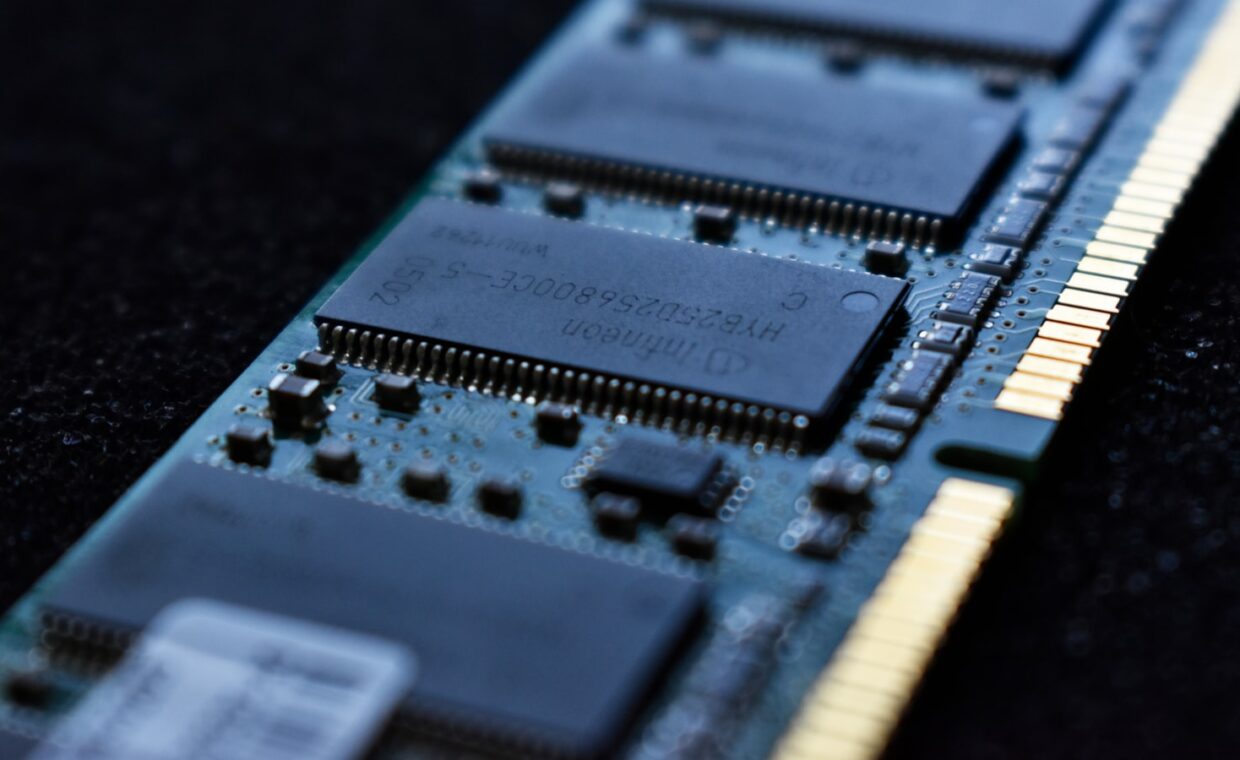
The memory controller is the part of the system that manages all communication between the processor and the main memory, handling every request for data and every write, and coordinating the flow so the cores get what they need. It is the intermediary through which all memory access passes, translating the processor’s requests into the operations the memory performs and returning the data. Because every piece of data the processor works on that is not already in its cache must come through the memory controller, its capability directly affects how quickly the processor can be fed, making it a genuine influence on performance despite its low profile, the data-flow role the primer on how a processor works touches on.
On-die versus off-die
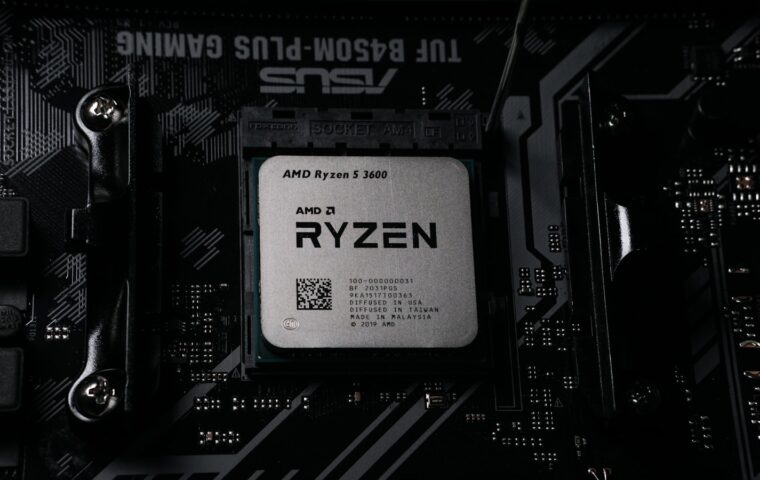
Modern processors have the memory controller built into the processor chip itself, called on-die, rather than in a separate chip elsewhere on the motherboard, as older designs used. Putting the controller on the processor greatly reduces the distance and delay between the cores and memory, since the controller is right there rather than across the board, improving performance by cutting the latency of memory access. This integration is one reason modern systems are faster than older ones and is now standard, with the memory controller as an integral part of the processor, the kind of integration the explainer on how a chip coordinates its parts reflects.
What it supports and caps
Crucially, the memory controller determines what memory the processor can use, including the maximum speed and capacity it supports, which is why a processor limits which memory will run at full speed. The controller is designed to work with memory up to certain speeds and amounts, and memory beyond those limits either will not run at its rated speed or will not work at all, because the controller sets the ceiling. This is why you cannot simply install the fastest memory available and expect it to run at full speed: the processor’s memory controller must support that speed, or the memory runs slower, the compatibility limit our look at how a chip accesses data touches on.
| The controller sets | Effect |
|---|---|
| Maximum supported memory speed | Faster memory runs at the supported speed |
| Maximum supported capacity | More memory than supported may not work |
| Number of channels | Affects total memory bandwidth |
| Latency of access | How quickly the cores get data |
Latency and why it matters
The memory controller also contributes to memory latency, the delay between the processor requesting data and receiving it, which matters because the cores stall while waiting. A well-designed, on-die controller minimises this delay, keeping the cores fed and reducing the times they wait, which improves real performance since less time is wasted waiting for memory. This is part of why memory performance is not just about raw speed but about how quickly the whole path, through the controller, delivers data, and why the controller’s design affects the responsiveness of the system, the waiting-cost our rundown on how cores spend their time reflects.
Why you cannot always run faster memory
The practical consequence for anyone buying or upgrading memory is that the processor’s memory controller sets the limits, so you must match memory to what the processor supports rather than simply buying the fastest. Memory faster than the controller supports will run only at the supported speed, wasting the extra, and memory beyond the supported capacity may not work. This is why checking a processor’s supported memory speed and capacity before buying memory matters, since the controller, not the memory, has the final say. Understanding this prevents the disappointment of buying fast memory that runs slow, or too much memory that will not work, and explains why memory choices are constrained by the processor rather than free, a compatibility reality the guide on how system components must match reflects across hardware.
The controller as part of the whole
The memory controller is another reminder that a processor performs as a whole system, not just as a set of cores. The cores can only work as fast as they are fed, and the memory controller governs that feeding, so its quality is part of what makes a processor fast in practice even though it never appears in the headline specifications. A capable, well-integrated controller keeps the cores supplied and the system responsive, while a limited one can hold back even powerful cores by delivering data too slowly. This is why real performance depends on the balance of the whole design, of which the memory controller is a quiet but genuine part.
For the practical buyer, the controller mostly matters through the memory limits it sets, which are worth checking before buying memory so you match it to what the processor supports. Beyond that, the controller works invisibly, and there is nothing to configure, but understanding its role explains why memory choices are constrained and why the processor, not the memory, has the final say on speed and capacity. It rounds out the picture of how a processor and memory work together, showing that the connection between them, managed by the controller, is as much a part of performance as the cores and the memory themselves, which is why matching all three sensibly matters more than maximising any one.
Questions readers ask
What is a memory controller?
The memory controller is the part of the system, now built into the processor, that manages all communication between the processor and main memory, handling every data request and write. Because all memory access passes through it, its capability affects how quickly the cores are fed, and it determines what memory the processor can use, including the maximum speed and capacity supported. It is a low-profile but genuine influence on performance.
Why does my CPU limit RAM speed?
Because the memory controller, built into the processor, is designed to support memory up to certain speeds, and memory faster than that runs only at the supported speed rather than its rated one. The controller sets the ceiling, so the processor determines the fastest memory that will run at full speed. This is why you cannot simply install the fastest memory available and expect it to run at that speed if the controller does not support it.
Can I run faster RAM than supported?
You can install it, but it will generally run only at the speed the memory controller supports, not its rated speed, so the extra speed is wasted. In some cases faster memory may not run stably at all. Since the processor’s memory controller sets the limit, matching memory to what the processor supports is the sensible approach, rather than buying faster memory expecting a benefit the controller will not allow.