

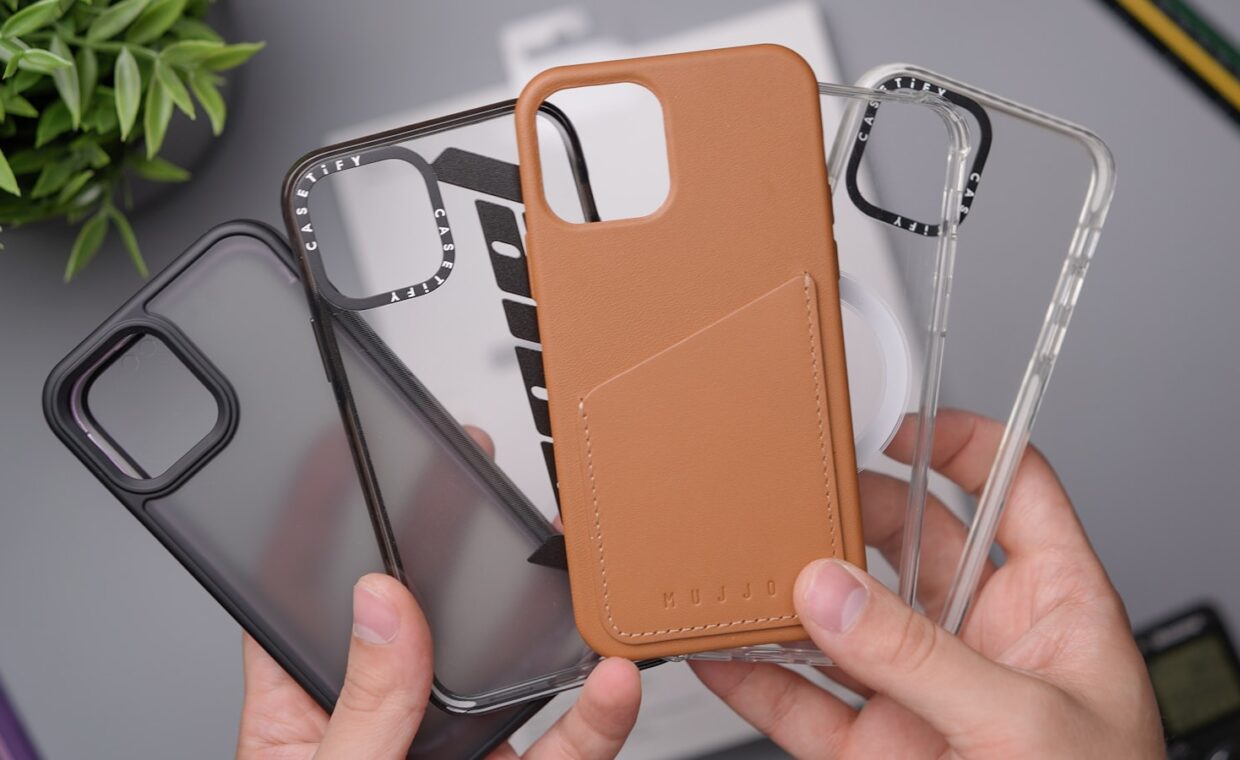
Almost everyone puts a case on their phone, and almost no one thinks hard about whether it actually protects the phone or just decorates it. Cases vary enormously in how much protection they offer, and the features that matter are not the obvious ones. Understanding what a case really does, and what actually prevents damage, is the difference between protection and a false sense of it wrapped in a nice colour.
What a case is really defending against
A phone case exists to absorb and spread the energy of a drop before it reaches the phone, and how well it does that determines whether it protects or merely dresses. The damaging force in a drop is concentrated at the point of impact, usually a corner or an edge, and a good case absorbs that energy through material and design, spreading it so the phone survives. A thin, hard, decorative case does little of this, transmitting the shock straight through, while a case designed with absorption in mind genuinely reduces the force reaching the phone.
This is why two cases that look similarly protective can perform very differently: one is engineered to absorb impact and the other is a rigid shell that looks tough but passes the force along. The protection is in the design and materials, not the appearance of ruggedness.
The raised lip that saves screens and cameras
The single most valuable protective feature is one people rarely notice: a raised lip around the front edge and the camera. Because phones so often land face down or on the camera, a lip that keeps the screen and camera lenses off the surface prevents the most common and expensive damage, letting the case edge take the contact instead of the glass. A case with a good raised lip around both the screen and the camera protects the two most costly components to repair, which makes it far more valuable than a case that covers the back beautifully but leaves the screen flush with the surface.
| Feature | Protection value |
|---|---|
| Raised lip around screen and camera | High, guards the costliest parts |
| Reinforced corners | High, corners take most drops |
| Impact-absorbing material | High, spreads the force |
| Thin hard shell | Low, mostly cosmetic |
| Thick rugged design | High, at the cost of bulk |
Corners are where drops land
Because a dropped phone tends to land on a corner, where the force concentrates most, corner protection is disproportionately important. A case with reinforced, cushioned corners absorbs the worst of a typical drop, while one with thin corners offers little where it is most needed. This is why rugged cases emphasise their corners, and why a slim case that skimps there provides less real protection than its bulk elsewhere suggests. When judging a case, the corners tell you more about its protective value than the back does.
Bulk versus protection, and when a case is pointless
There is a genuine tradeoff between protection and bulk: the most protective cases are thicker and heavier, and the slimmest cases protect least. Where you sit on that tradeoff depends on how you use the phone and how much you value protection over pocketability. What is worth avoiding is the worst of both, a bulky case that is not actually engineered to absorb impact, or a slim decorative case bought for protection it does not provide. A case is close to pointless for protection if it is a thin hard shell with no lip, no corner reinforcement, and no absorption, since it adds little but appearance. Pairing a genuinely protective case with a screen protector for scratches, as our rundown on protecting a phone over its whole life and the piece on keeping a phone in good order both support, covers both the impact and the scratch threats, which together account for most phone damage, a completeness that also matters for resale value and connectivity access as the guides on contactless features, sharing a connection, and how phones connect touch on.
Matching the case to your life
The right case is the one that matches how you actually treat your phone, not the most protective one in the abstract. Someone who works on a building site, hikes, or is simply prone to drops benefits from a genuinely rugged case and will not mind the bulk. Someone who keeps a phone in a bag, sets it down carefully, and rarely drops it can reasonably choose a slimmer case with a good lip and corners, accepting a little less protection for a lot less bulk. The mistake is choosing a case for its looks and assuming it protects, or buying the most rugged option for a phone that lives a gentle life.
It is also worth remembering that a case protects the phone’s value as well as its function, keeping the frame and back free of the dents and scuffs that reduce resale and trade-in value. A phone kept in good cosmetic condition through its life is worth more when you come to sell or trade it, so a case pays back partly in the value it preserves. Choosing a case thoughtfully, for the protection that matches your habits and the features that guard the costly parts, is a small decision that quietly saves both repair bills and lost resale value over the years a phone is in use.
Answers to common questions
Do phone cases really help?
A well-designed case genuinely helps by absorbing and spreading the energy of a drop before it reaches the phone, but a thin decorative shell does little, transmitting the shock straight through. The protection is in the design and materials, especially impact absorption, a raised lip, and reinforced corners, not in how rugged the case looks. A good case protects; a merely decorative one mostly does not.
Which case type protects best?
One with impact-absorbing material, a raised lip around both the screen and camera, and reinforced, cushioned corners, since corners take the worst of most drops and the lip guards the costly screen and lenses. The most protective cases are thicker as a result. A slim hard shell looks tough but protects least. Judge a case by its corners and lip more than its back.
Is a screen protector or case more important?
They protect against different things, so the best answer is both. A case defends against the impacts that crack screens and dent frames, while a screen protector defends against the scratches a case does not stop. Since impact damage is usually the more expensive, a good case is the higher priority, but pairing it with a screen protector covers both threats that account for most phone damage.