

Buying a phone often comes with a quiet fork in the road: take the model your mobile network is selling, or buy the same handset unlocked and bring it to a network yourself. The two routes can look identical on the shelf, yet they differ in how you pay, what software you get, and how freely you can move between networks later. Understanding what really changes between a carrier handset and an unlocked one helps you avoid a purchase that ties you down more than you expected. This guide weighs both paths on the points that actually affect daily use.
What unlocked means and how carrier locking works
An unlocked phone accepts any compatible SIM card, so you can choose your network and change it whenever you like. A carrier phone often ships locked, meaning software on the handset only allows SIM cards from the network that sold it. The lock is not a physical part but a setting the carrier controls, usually tied to a contract or an instalment plan. Once you meet the agreed conditions, the network is generally required to release the handset on request, after which it behaves like any unlocked model. Locking exists mainly to protect the subsidy a network gives when it sells a phone below its full price. The carrier recovers that discount through your monthly payments, and the lock stops someone buying a cheap subsidised handset only to use it elsewhere straight away.
The practical effect is freedom of choice. An unlocked handset lets you shop around for a better tariff or drop in a local SIM abroad, while a locked one keeps you on one network until it is released.
Software, bloatware and update timing
Carrier versions of a phone frequently arrive with extra apps preinstalled, sometimes a carrier logo on the boot screen, and occasional tweaks to default settings. Some of those apps can be removed and some cannot, which is a mild but real annoyance. Unlocked phones tend to ship closer to the manufacturer’s plain software, with fewer additions to work around. There is a security angle to the timing as well, because when a patch fixes a known flaw, a delay of a few weeks leaves the carrier version exposed for longer, which matters more than a late cosmetic feature.
Update timing is the difference many people feel most. Carrier builds often pass through extra testing by the network before release, so security patches and new features can arrive later than they do on unlocked units. How long a phone keeps receiving those updates at all is a separate question worth checking, and the explainer on how long phones stay supported sets out what to expect from different makers.
Network band compatibility to check before buying
An unlocked phone only helps if it actually supports the radio frequencies your chosen network uses. Phones sold in one region can lack the bands another region relies on, which may mean weak signal or no fast data in places you expected coverage. Before buying, match the handset’s supported bands against your network, a check the overview of the frequencies a phone can reach makes far less daunting.
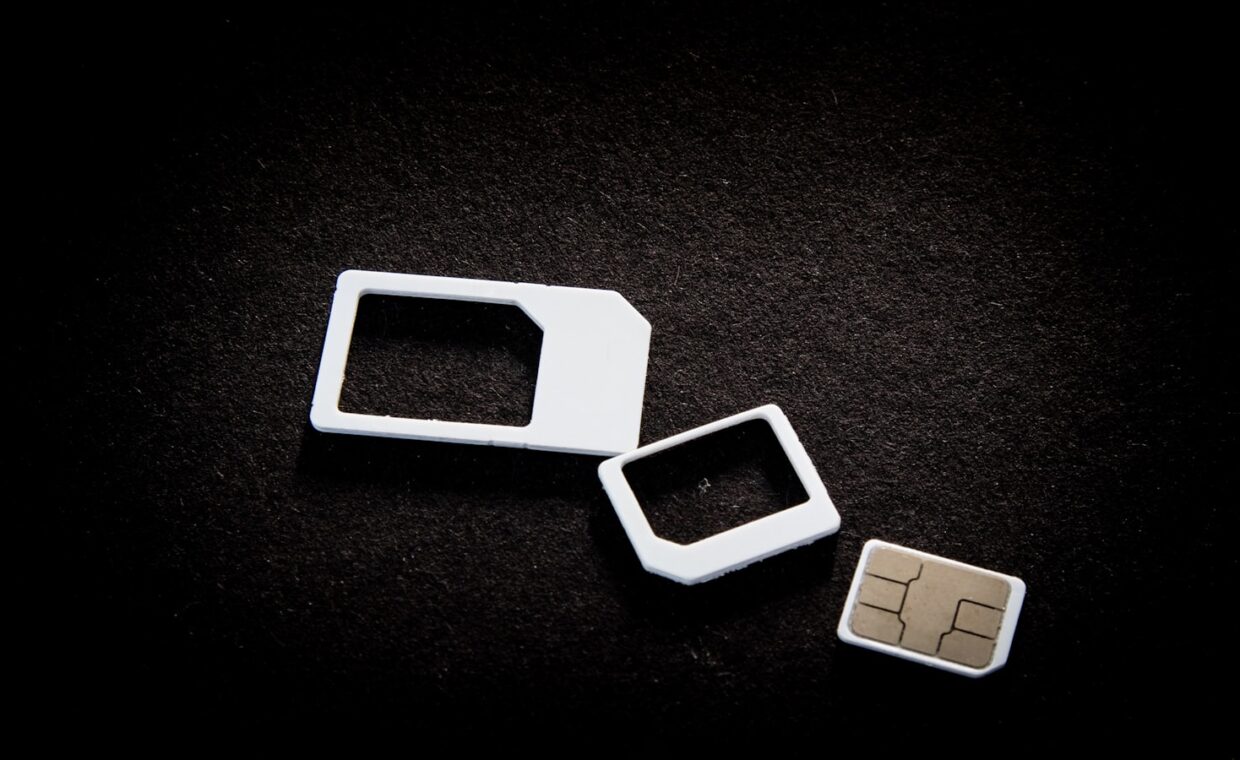
How you hold service also matters. Many recent phones support a physical SIM alongside a built-in digital one, which changes how easily you can add or switch networks without swapping cards. The explanation of running two numbers on one phone shows why this feature suits people who change networks or travel often. Calling features can depend on bands and network settings too, since voice over the newer network standard and Wi-Fi calling sometimes work only on handsets a carrier has approved, so an imported model might connect for data yet fall back to older methods for calls.
| Factor | Unlocked phone | Carrier phone |
|---|---|---|
| Network choice | Any compatible network | Locked until released |
| Preinstalled apps | Fewer, closer to stock | Often extra carrier apps |
| Update timing | Usually sooner | Can be delayed by testing |
| Upfront cost | Often paid in full | Spread over a plan |
| Switching later | Straightforward | Harder mid-contract |
Financing and switching between carriers
Carrier deals spread the cost of a phone across monthly payments, sometimes with a discount for staying, which can suit anyone who prefers not to pay a large sum at once. The trade is commitment. The handset is often locked while you pay it off, and leaving early can mean settling the balance or fees. Switching network mid-contract is awkward by design.
An unlocked phone usually means paying more upfront, or arranging finance separately, in exchange for the freedom to change network the moment a better tariff appears. If keeping monthly costs low and flexible matters to you, that freedom can be worth the larger initial outlay. It is worth reading how a plan handles an early upgrade as well, because some deals let you trade in partway through, yet doing so can reset both the lock and the balance, quietly extending the commitment you thought you were shortening.
Other routes to a phone
Unlocked phones are not only sold new. The used and refurbished market is full of handsets that have already been freed from their original network, often at a noticeable saving. Condition and history vary, so it pays to understand how sellers describe a device, which our look at what refurbished condition labels mean lays out before you commit. Buying used also sidesteps the locking question entirely when a listing confirms the phone is already open to any network.
Making the decision
The choice comes down to how much you value flexibility against a simpler monthly bill. If you like changing networks, travelling with local SIMs, or getting updates as early as possible, an unlocked phone fits that habit and rarely disappoints. If you would rather spread the cost, do not plan to switch soon, and can tolerate a little extra software, a carrier deal can be the cheaper and simpler path in the short term.
Whichever way you lean, check the bands before you pay and confirm the update and lock terms in writing. A phone chosen with those details settled will serve you without the surprises that catch out buyers who looked only at the headline price.
Common questions, answered
Will an unlocked phone work on any carrier?
It works on any network whose radio bands the phone supports, not automatically on every carrier. Because an unlocked handset accepts any SIM, the limit is hardware, not software. A model built for one region may miss frequencies another network needs, causing weak signal or slow data. Always compare the phone’s supported bands with your intended network before buying to be sure of full coverage.
Do carrier phones get updates slower?
Often, yes. Carrier builds usually pass through additional testing by the network before an update is approved, which can add days or weeks to security patches and feature releases. Unlocked phones tend to receive updates closer to the manufacturer’s own schedule. The gap is not guaranteed and varies by network and model, but as a general pattern carrier versions trail their unlocked equivalents.
Is it cheaper to buy unlocked or through a carrier?
It depends on how you count the cost. A carrier plan spreads payments and may bundle a discount, so the monthly figure looks small, yet the total over the contract can exceed the price of buying unlocked outright. Unlocked phones ask for more upfront but let you pick a cheaper tariff and switch freely. Add up the full term, not just the monthly amount.