
The small plastic SIM card that has identified phones to networks for decades is quietly being replaced by software, and the change affects more than the removal of a tray. An eSIM does the same job as a physical SIM but exists as a profile inside the phone, and understanding how it works, and how it enables two numbers on one phone, clears up a technology that sounds more complicated than it is.
What an eSIM actually is
An eSIM is an embedded SIM, a small chip built permanently into the phone that can be programmed with a network profile rather than swapping a physical card. Instead of receiving a card in the post and sliding it into a tray, you activate an eSIM by scanning a code or following the network’s app, which downloads the profile onto the phone. Functionally it is identical to a physical SIM: it identifies you to the network and connects you. The difference is that it is software loaded onto a built-in chip rather than a card you insert.
This changes a few practical things. There is no card to lose, damage, or forget, activation can be instant rather than waiting for post, and switching networks can be done from the phone without a shop visit, though the network has to support eSIM for any of this to work.
How dual SIM works with one slot
| Setup | How it works |
|---|---|
| Two physical SIMs | Two card slots, where the phone provides them |
| One physical plus one eSIM | The common modern arrangement |
| Two eSIMs | Two profiles, no physical card, on supporting phones |
The eSIM makes dual SIM practical on phones with no room for two card trays. A phone can hold a physical SIM and an eSIM at once, or two eSIM profiles, giving you two numbers on one phone, one for work and one personal, or a home number and a local one when travelling. The phone lets you choose which number to use for calls, messages, and data, and can be set to use one for data and either for calls. This is genuinely useful for anyone who has carried two phones to keep numbers separate.
Moving a number between phones
With a physical SIM, moving your number to a new phone is as simple as moving the card. An eSIM is different: because it is tied to the phone rather than a card, transferring your number to a new phone means transferring or re-downloading the eSIM profile, which the network facilitates. Some phones and networks make this a smooth automatic transfer during setup; others require contacting the network to reissue the profile. This is the one area where an eSIM can be less convenient than a card, and it is worth knowing how your network handles eSIM transfers before you rely on switching phones quickly.
Carrier and region support
The catch with eSIM is that it only works if the network supports it, and support varies by country and by network. In some markets eSIM is universal; in others, particularly with smaller or prepaid networks, it may not be offered at all, leaving you dependent on a physical SIM. Before choosing a phone that relies on eSIM, or an eSIM-only phone with no physical slot, it is worth confirming your network supports it, because an eSIM-only phone on a network without eSIM support is unusable, a compatibility issue similar to the band matching covered in the primer on how phones and networks have to match.
Travel and the practical benefits
One of the strongest uses of eSIM is travel. Instead of hunting for a local SIM abroad, you can download a travel data profile from a provider before or on arrival, keeping your home number active on your usual SIM while using the local eSIM for cheap data. This avoids both expensive roaming and the fiddle of swapping and storing a tiny physical card, and it is one of the clearest everyday advantages of the technology. It pairs naturally with using a phone as a connection for other devices, as the explainer on how a mobile hotspot works describes, and the security of keeping multiple profiles is worth understanding alongside our look at what a phone’s security actually protects. The convenience reflects the broader shift toward software-defined hardware that our rundown on understanding modern device capabilities explores across computing.
The shift toward eSIM-only phones
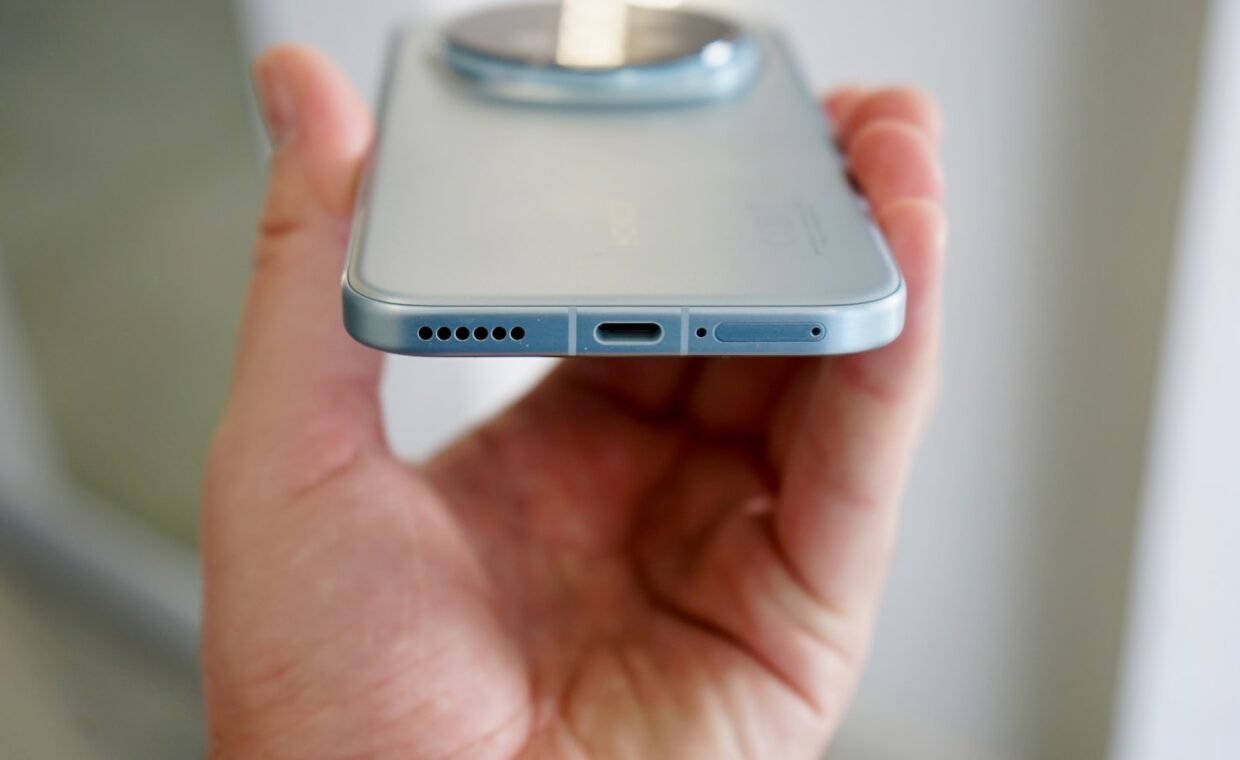
Some phones are beginning to drop the physical SIM slot entirely, relying on eSIM alone, and this trend will continue as network support broadens. The advantages are real, a fully sealed phone with no tray to let in dust or water, and instant digital activation, but it also means you are dependent on eSIM support wherever you go, as covered in the guide on understanding what a device requires to work. For someone whose network and travel destinations all support eSIM, an eSIM-only phone is convenient and forward-looking. For someone who relies on a network without eSIM, or who travels to places where physical SIMs are the norm, a phone with a physical slot remains the safer choice for now.
The practical advice during this transition is to check your own situation before committing to an eSIM-only device. If your network supports eSIM and you travel to places that do too, the technology is ready for you. If either is uncertain, a phone that offers both a physical slot and eSIM gives you the flexibility to use whichever works, which is the most adaptable position until eSIM support becomes truly universal. The direction of travel is clearly toward eSIM, but the timing of when it suits you depends on where you are and where you go.
Questions readers ask
What is an eSIM?
An eSIM is an embedded SIM, a chip built into the phone that is programmed with a network profile instead of using a physical card. You activate it by scanning a code or using the network’s app, which downloads the profile. It does exactly the same job as a physical SIM, identifying you to the network, but it is software on a built-in chip rather than a removable card.
Can I use two numbers on one phone?
Yes, on a phone that supports dual SIM, which the eSIM makes practical even without room for two card trays. You can run a physical SIM and an eSIM together, or two eSIM profiles on supporting phones, giving you two numbers, such as work and personal, on one device. The phone lets you choose which number handles calls, messages, and data.
Is eSIM better than a physical SIM?
It is more convenient in most ways: nothing to lose or damage, instant activation, easy dual SIM, and excellent for travel data. Its one drawback is that moving your number to a new phone requires transferring the profile rather than just moving a card, and it only works where the network supports it. Where support exists, eSIM is generally the more flexible choice.