
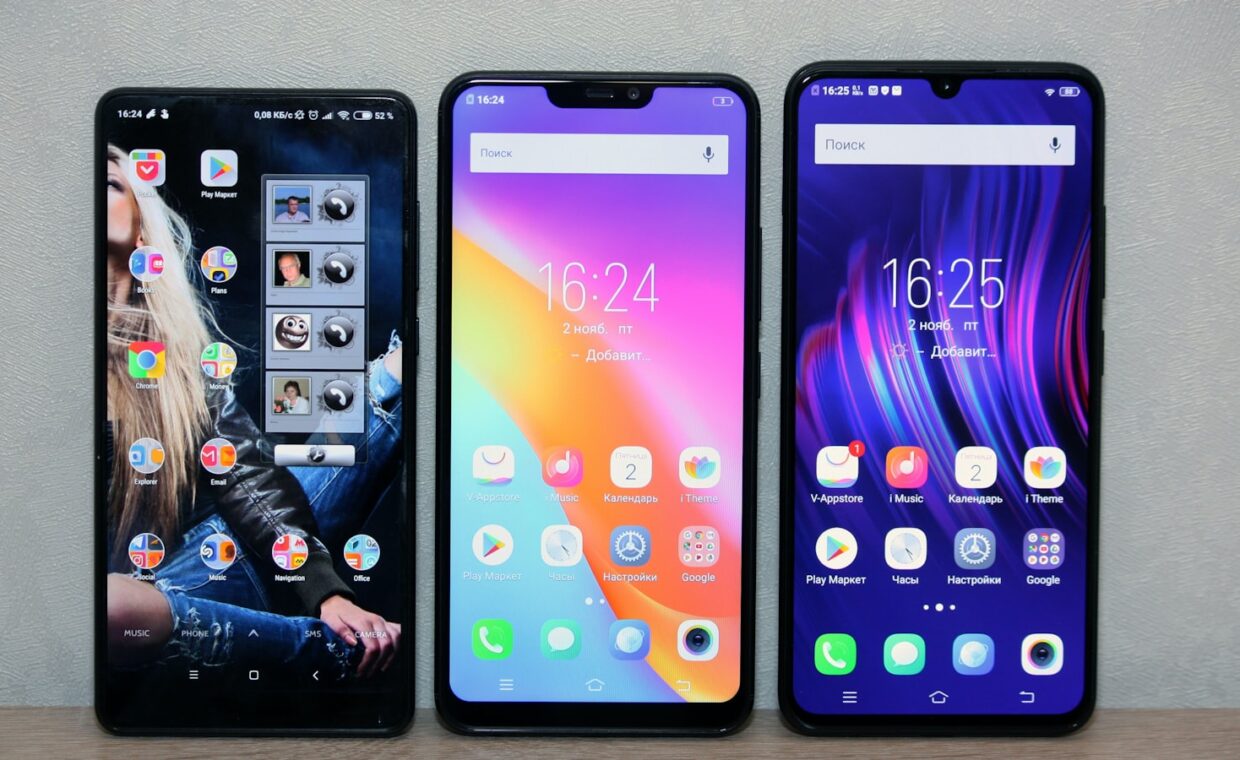
Standing between two phones at similar prices, facing a wall of specifications, it is easy to fixate on the numbers that are largest rather than the ones that matter. Spec sheets are written partly to impress, and some of the figures they lead with barely affect daily life, while quieter details decide how the phone will feel a year from now. Learning to read two sheets side by side, giving weight to what counts and setting aside what does not, turns an overwhelming comparison into a short and manageable checklist you can work through in minutes.
Start with the support window
Before anything else, compare how long each manufacturer promises to provide software and security updates. This single figure often matters more than any performance number, because a phone that stops receiving security patches becomes a growing risk to keep using, no matter how fast it once was. Support terms vary widely between brands, from around three years on some budget models to seven on certain flagships, a spread that quietly changes the real value of each phone.
A handset that costs a little more but is supported for three extra years is frequently the better buy, spreading its price across more usable life. Because manufacturers state these terms differently and sometimes vaguely, it pays to check the specifics, which the article on how long each phone keeps getting updates lays out, before you let raw speed sway the decision.
Battery capacity and efficiency together
Battery capacity, quoted in milliamp-hours, is only half the story, and comparing two phones on that number alone will mislead you. A larger battery does tend to last longer, but a more efficient processor and screen can let a smaller battery match or beat a bigger one. This is why a phone with a modest capacity and a newer, efficient chip sometimes outlasts a rival carrying a visibly larger cell.
Rather than trust the headline figure, look for independent screen-on-time results, which measure real endurance across mixed use. Also note the charging speed and whether a charger is included, since a fast-charging phone with no adapter in the box carries a hidden extra cost. Capacity, efficiency and charging together tell you what a single number on its own never can.
Display and chip essentials
For the screen, a few specifics genuinely matter. Panel type is the first: OLED screens give deeper blacks and better contrast than LCD, which affects both how they look and how much battery they use. Resolution matters up to a point, though beyond a sharp enough figure the eye simply stops noticing more pixels. A high refresh rate, ninety or a hundred and twenty hertz, makes scrolling look smoother and is easy to feel in use, unlike many numbers on the sheet.
For the chip, the exact model matters less than its tier and its age. A current mid-range processor handles everything most people do, and the gap to a flagship shows only in demanding games and heavy multitasking. One practical detail often ignored is repair cost, since a fragile or expensive screen changes the true price of ownership, a point our coverage of what a screen repair costs makes concrete.
Reading the camera hardware
Camera specifications are where spec sheets mislead most. A high megapixel count does not mean better photos, because sensor size, pixel quality and processing matter far more than raw resolution. Many high-megapixel phones combine groups of pixels into larger virtual ones for better low-light results, so a twelve-megapixel phone can easily outshoot a fifty-megapixel one. Look instead for the physical sensor size where it is listed, and for the aperture, given as an f-number, where a lower value gathers more light.
Just as important is what the software does with the raw capture, since modern phone photos are heavily computed rather than simply recorded. Two phones with identical sensors can produce very different images, a gap the explainer on how computational photography works makes clear, so reviews with real sample shots tell you far more than the sensor line on a spec sheet ever will.
| Spec area | What to weigh | What to set aside |
|---|---|---|
| Support | Years of security updates | Vague marketing wording |
| Battery | Real screen-on-time, efficiency | Milliamp-hours in isolation |
| Display | Panel type, refresh rate | Pixels beyond sharp |
| Camera | Sensor size, processing | Megapixel count alone |
| Memory | Enough RAM for the system | The highest RAM number |
The specs safe to ignore
Several numbers reliably draw attention out of proportion to their effect. Megapixel counts, as noted, tell you little on their own. Peak RAM figures are another: once a phone has enough memory for its operating system to run smoothly, typically a comfortable amount for the software it ships with, more brings little benefit for everyday use, and phones manage memory differently enough that the raw number does not compare cleanly across brands.
Benchmark scores, quoted processor clock speeds and the sheer number of camera lenses fall into the same category. A phone with four rear cameras is not better than one with two if half of them are low-quality sensors added mainly to lengthen the list. Judge the main camera and the one or two extra lenses you would actually use, and let the padding fall away without guilt.
Making the decision
Read the two sheets in order of what lasts. Support window first, then real battery endurance, then the screen and chip tier, then the main camera backed by sample photos. By the time you reach megapixels, benchmark numbers and lens counts, you are usually looking at tie-breakers that will not shape your daily experience. The phone that wins on the durable fundamentals is almost always the one to choose, even when it loses on a flashy headline figure.
One last practical point sits outside the spec sheet entirely: how smoothly your data moves across when the new phone arrives. Both major platforms make this fairly straightforward now, though the details differ between them, and knowing in advance how a phone backup gets saved, a process the breakdown of saving and restoring your data explains, spares you a stressful first evening with a device you chose so carefully.
Questions readers ask
How do I compare two phones?
Work from the specs that shape long-term experience down to the trivial ones. Start with the software support window, then compare real battery endurance rather than raw capacity, then screen type and processor tier, then the main camera backed by sample photos. Treat megapixels, RAM headline figures and benchmark scores as minor tie-breakers. The phone that wins on these durable fundamentals is usually the better choice.
Which phone specs matter most?
The length of software support usually matters most, since it sets how long the phone stays safe to use. After that, real battery life, screen quality such as panel type and refresh rate, and the processor tier shape daily experience the most. Main camera quality matters if you photograph often. These durable factors outweigh the large headline numbers that spec sheets tend to emphasise.
Are more megapixels or more RAM better?
Neither reliably. More megapixels do not mean better photos, because sensor size and processing matter far more, and a lower-megapixel phone often takes better pictures. More RAM helps only until the phone has enough for its software to run smoothly; beyond that, extra memory brings little everyday benefit. Both numbers are marketing favourites precisely because they are easy to print large and simple to misread.