

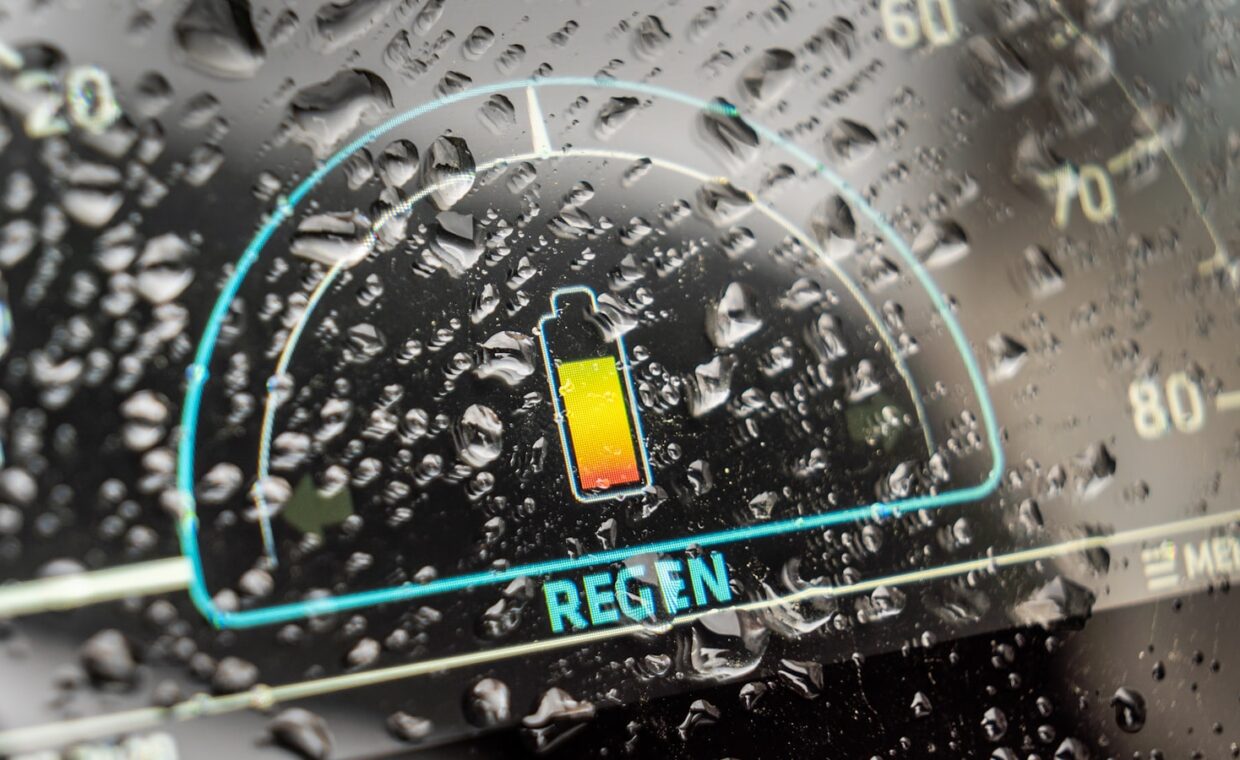
Battery calibration is surrounded by more folklore than almost any other laptop topic. People are told to drain the battery fully every so often, to calibrate it monthly, that calibration restores lost capacity. Most of this is outdated or simply wrong for modern laptops. Understanding what calibration actually does, and does not do, saves you effort and protects the battery from advice that harms it.
What the battery gauge is really doing
The percentage a laptop reports is not a direct measurement of stored energy; it is an estimate. The battery controller infers the charge level from voltage and its record of how much energy has gone in and out, and over time that estimate can drift from reality. Calibration is the process of correcting that estimate, usually by running the battery through a full cycle so the controller can re-anchor its reference points at full and empty.
Crucially, calibration corrects the gauge, not the battery. It makes the reported percentage more accurate. It does not add capacity, restore health, or reverse wear. A battery that has degraded to eighty percent of its original capacity will, after perfect calibration, accurately report that reduced capacity. The number gets more honest; the battery does not get better.
Why calibration cannot restore capacity
Capacity is lost through the chemical ageing of the cell, the mechanisms described in our coverage of what actually wears out a laptop battery. That ageing is physical and permanent, and no software process reverses it. The persistent myth that calibration rejuvenates a battery confuses two different things: fixing an inaccurate gauge, which calibration does, and restoring lost capacity, which nothing does. If a battery holds less charge than it used to, calibration will make the percentage accurate but the runtime will not improve.
| Claim | True? | Reality |
|---|---|---|
| Calibration restores battery capacity | No | It corrects the gauge, not the cell |
| You must fully drain the battery monthly | No | Deep discharges stress modern cells |
| Calibration fixes a jumping percentage | Often | A drifted gauge is what calibration corrects |
| Modern laptops self-calibrate | Largely | Most gauges refine themselves over normal use |
Modern gauges mostly calibrate themselves
The advice to calibrate regularly comes from an older era. Modern battery controllers continuously refine their estimate during normal use, so a machine that regularly goes from a high charge to a moderately low one gives the gauge plenty of data to stay accurate. For most people, deliberate calibration is unnecessary, and the deep discharges some calibration routines demand actively stress the cell, which contradicts everything known about extending battery life.
The habits that genuinely matter for the battery are the opposite of aggressive calibration: keeping the charge in a moderate band, avoiding heat, and not leaving the machine at full charge and warm for long periods, all covered in the breakdown of battery health and the piece on how charging works. Calibration is about the accuracy of a number; battery care is about the life of the cell, and they are different concerns.
When calibration is actually worth doing
There is one situation where calibration helps: a gauge that has visibly drifted, showing a percentage that no longer matches reality. The symptoms are a battery that jumps several percent at once, drops from a comfortable level to shutdown suddenly, or reports a charge that is obviously wrong. In that case, running one full cycle, charging to full, using down to a low level, then charging to full again, lets the controller re-anchor and restores an accurate reading.
Done occasionally to fix a drifted gauge, this is harmless. Done routinely as a ritual, the repeated deep discharges are mild wear you are inflicting for no benefit. The rule is simple: calibrate only when the gauge is visibly wrong, not on a schedule. If you are assessing a used machine, a wildly inaccurate gauge is worth noting during the checks in our piece on testing a used laptop before buying, though it is fixable and distinct from genuine capacity loss. And a battery that shuts the machine down abruptly may be failing rather than merely miscalibrated, a distinction that matters for the repair decision in the article on when a laptop is worth keeping.
How the myth took hold
The calibration folklore is not invented from nothing; it made sense for an earlier generation of batteries. Older cell chemistries and cruder gauges genuinely benefited from periodic full cycles, and the habit stuck long after the technology moved on. Advice ages badly in this field, and a tip that was sound a decade ago can be counterproductive now, which is the same reason so much other hardware guidance needs revisiting against current designs, a theme that runs through our guide to reading modern hardware on its own terms.
The practical takeaway is to distrust maintenance rituals that involve deliberately stressing a component. Modern laptops are designed to be used normally, and the battery controller, like most of the machine, manages itself better than a manual routine can. When advice tells you to do something harsh to a battery for its own good, it is usually describing a machine from another era. Keeping software current matters far more than any battery ritual, the ongoing upkeep discussed in the context of how long a device keeps getting updates.
Questions readers ask
Does calibrating a battery improve it?
No. Calibration corrects the accuracy of the percentage the laptop reports; it does not add capacity or reverse wear. A degraded battery, once calibrated, simply reports its reduced capacity accurately. The persistent belief that calibration rejuvenates a battery confuses fixing the gauge with restoring the cell, which nothing can do.
How often should I fully discharge my laptop?
Rarely, and not on a schedule. Deep discharges stress modern lithium cells, so routinely draining to empty does mild harm for no benefit. The exception is a one-off full cycle to fix a gauge that has visibly drifted. For battery health, keeping the charge in a moderate band and avoiding heat matters far more than any discharge routine.
Why is my battery percentage jumping?
The gauge has drifted from the actual charge, so its estimate is inaccurate, which shows as sudden jumps or an unexpected shutdown at a level that looked safe. One full charge cycle lets the controller re-anchor its reference points and restores an accurate reading. If it keeps happening after calibration, the battery itself may be failing.