
A computer without a separate graphics card still displays graphics, using integrated graphics built into the main processor. Unlike a dedicated graphics card with its own memory, integrated graphics borrows from the system’s main memory, and this sharing has consequences that explain why integrated graphics performs the way it does, why it benefits from certain memory choices, and where its limits lie.
Where integrated graphics gets its memory
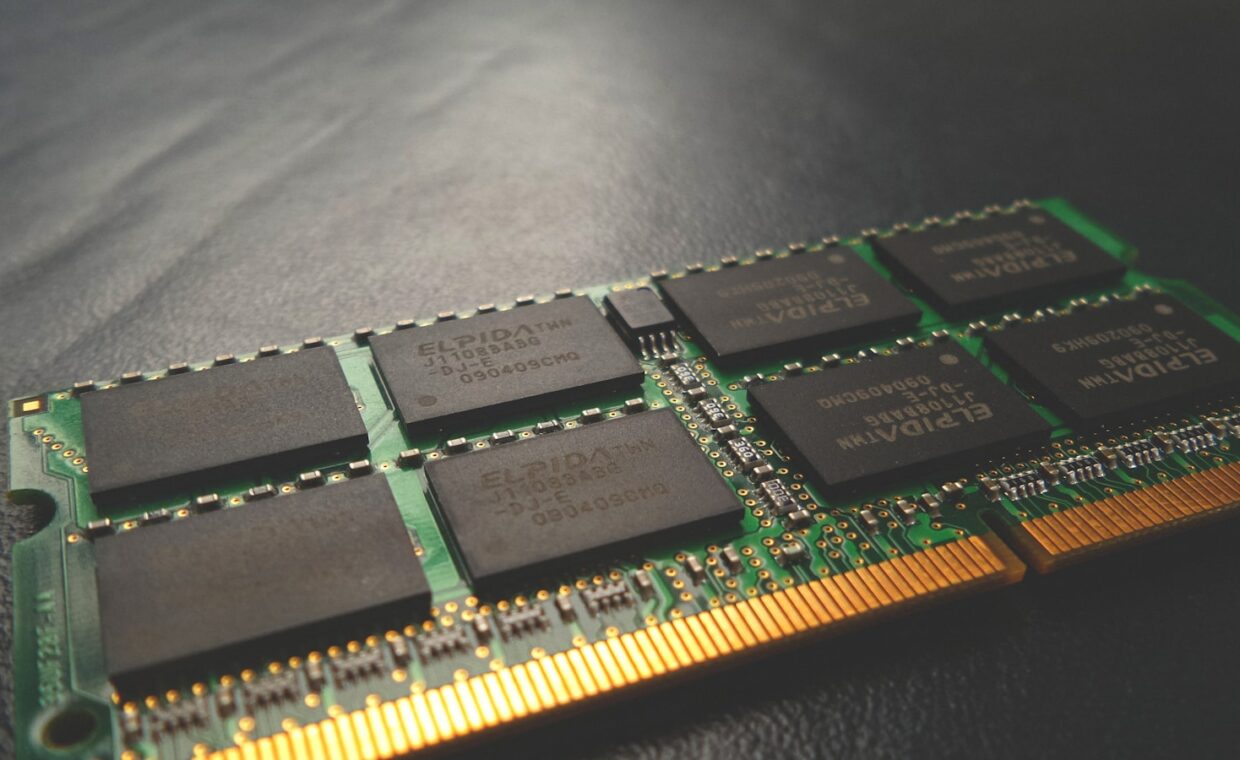
A dedicated graphics card comes with its own fast memory, reserved entirely for graphics work. Integrated graphics has no such dedicated memory, so it takes a portion of the computer’s main system memory and uses that instead. This is why a computer with integrated graphics effectively shares its memory between the processor and the graphics, and why the amount and speed of the system memory affect graphics performance in a way they do not on a machine with a dedicated card. The graphics and the rest of the system are drawing from the same pool.
This sharing is the defining characteristic of integrated graphics and the source of both its economy and its limits. It makes integrated graphics cheaper and more power-efficient, since it needs no separate memory, but it also means the graphics compete with everything else for the same memory, which is where the performance ceiling comes from.
Bandwidth is the real bottleneck
The key limit on integrated graphics is not usually the amount of memory but its bandwidth, how fast data can move to and from it. Graphics work demands a great deal of memory bandwidth, and because integrated graphics shares the system memory, it also shares that memory’s bandwidth with the processor, leaving less for graphics than a dedicated card’s reserved memory would provide. This bandwidth limit is why integrated graphics, however capable its processing, cannot match a dedicated card on demanding graphics work: it is starved of the memory bandwidth that graphics need, a constraint our guide to what determines real chip performance notes is often invisible on the specification sheet.
| Factor | Effect on integrated graphics |
|---|---|
| Memory bandwidth | The main bottleneck |
| Dual channel memory | Large improvement, doubles bandwidth |
| Memory speed | Meaningful, unlike for general tasks |
| Memory amount allocated | Matters less than bandwidth |
Why dual channel memory matters so much
Because bandwidth is the bottleneck, the way memory is configured has an outsized effect on integrated graphics. Running memory in dual channel, with two memory modules working together, roughly doubles the available bandwidth compared with a single module, and this produces a large improvement in integrated graphics performance, far larger than it does for ordinary tasks. This is why a laptop with integrated graphics and a single memory module can perform notably worse at graphics than the same laptop with two modules, and why anyone relying on integrated graphics should ensure the memory is in dual channel. It is one of the few cases where a memory configuration choice visibly changes graphics performance.
Why memory speed matters here
For most general computing, memory speed makes little difference, but for integrated graphics it genuinely matters, because faster memory provides more bandwidth, and bandwidth is exactly what integrated graphics is short of. This is the one common situation where paying for faster memory produces a visible benefit, specifically in integrated graphics performance. On a machine with a dedicated graphics card, the memory speed is far less important for graphics because the card has its own reserved memory, but on a machine leaning on integrated graphics, faster system memory feeds the graphics more data and improves performance, the kind of workload-specific effect the primer on how benchmarks reveal real behaviour helps expose.
Where integrated graphics is enough
Understanding these limits also clarifies where integrated graphics is perfectly adequate. For everyday computing, video playback, office work, browsing, and light photo editing, integrated graphics is more than enough, and its efficiency and lack of a power-hungry separate card are advantages. It struggles with demanding games, heavy three-dimensional work, and professional graphics tasks, where the bandwidth limit bites and a dedicated card is needed. Knowing that integrated graphics is bandwidth-limited tells you both how to get the most from it, dual channel and reasonably fast memory, and when it will not suffice, so you can decide whether a machine with integrated graphics fits your needs or whether you need a dedicated card, a decision that connects to the instruction-level capabilities in the explainer on what a chip’s instruction set enables and the interconnect limits in the piece on how PCIe lanes are shared, and even to networked graphics work as our look at how data moves between devices touches on.
The bigger picture of shared resources
Integrated graphics is one example of a broader theme in modern hardware: sharing resources to save cost, power, and space, at the price of the peak performance that dedicated hardware provides. The same tradeoff appears wherever a device integrates rather than separates its components, gaining efficiency and compactness while accepting a ceiling that dedicated parts would raise. Understanding integrated graphics as a case of this general pattern makes its behaviour predictable: it is economical and efficient for ordinary work, and limited where the shared resource, here memory bandwidth, becomes the constraint.
This is why integrated graphics has improved so much yet still has a clear ceiling. Each generation makes the integrated graphics more capable and better at using the shared memory, closing the gap for everyday and even moderate graphics work, but the fundamental sharing of memory bandwidth keeps a dedicated card ahead for the most demanding tasks. Knowing this lets you match the hardware to your needs honestly: integrated graphics for the majority of computing where its efficiency is a virtue, and a dedicated card only where the demanding work genuinely needs the reserved bandwidth that integration cannot provide.
Frequently asked questions
Does integrated graphics use my RAM?
Yes. Unlike a dedicated graphics card with its own memory, integrated graphics has none of its own and takes a portion of the computer’s main system memory instead, sharing it with the processor. This is why the amount and especially the speed and configuration of your system memory affect integrated graphics performance, since the graphics and the rest of the system draw from the same memory pool.
How much RAM does integrated graphics take?
It uses a portion of system memory that varies and can adjust dynamically, but the amount allocated matters less than people think. The real limit on integrated graphics is memory bandwidth, how fast data moves, rather than the amount reserved. This is why improving bandwidth through dual channel memory and faster memory helps far more than worrying about how much memory the graphics reserve.
Does faster RAM help integrated graphics?
Yes, meaningfully, which is unusual because faster memory makes little difference to most general computing. Integrated graphics is limited by memory bandwidth, and faster memory provides more of it, directly improving graphics performance. Running memory in dual channel helps even more, roughly doubling bandwidth. For a machine relying on integrated graphics, memory speed and dual channel configuration are among the few choices that visibly change graphics performance.