
Every phone battery is dying from the day it is made, and understanding how it dies is the difference between a phone that lasts a full day after three years and one that needs charging by lunchtime after one. The good news is that the main causes of battery wear are things you influence directly, and none of them is the charging myth most people worry about.
How a lithium battery ages
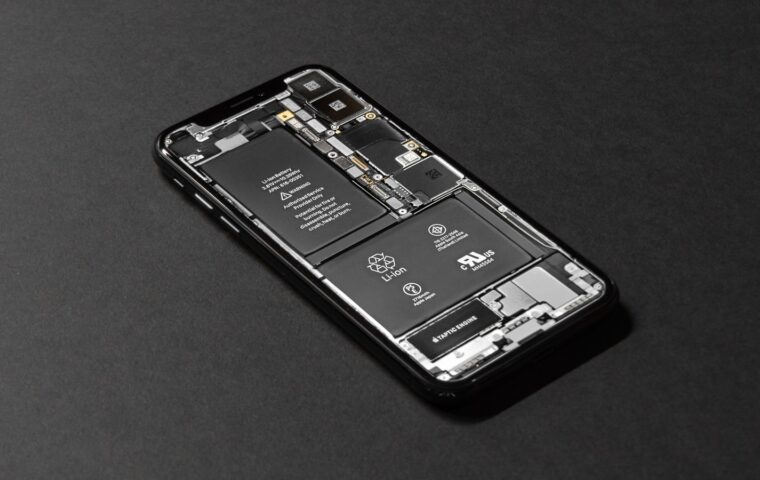
A phone battery is a lithium cell, and it wears out through chemistry, not through use in the way a mechanical part does. Two processes dominate. A layer gradually builds up inside the cell that consumes some of the lithium and permanently reduces how much charge it can hold. And the structure of the electrodes slowly degrades. Both are irreversible, both are normal, and both are accelerated or slowed by how the battery is treated.
The result is capacity fade: a battery that once held enough for a full day gradually holds less, until the same day’s use no longer fits. This is why an ageing phone seems to drain faster even though nothing is using more power. The phone has not changed; the tank has shrunk.
Heat is the real enemy
Of everything that ages a battery, heat does the most damage, and it is the factor people ignore. A cell kept hot ages far faster than one kept cool, which is a chemical relationship rather than a manufacturer policy. The worst combination is heat plus a full charge, which is exactly what happens when a phone sits on a wireless charger in a warm room, or charges fast while running a demanding game.
This is why a phone left in a hot car or charging under a pillow suffers, and why fast charging, which generates heat, has a measurable long-term cost that our coverage of how fast charging affects the battery quantifies. Keeping a phone cool, especially while charging, does more for its battery than any charging ritual.
Depth of discharge and the charge band
How far you drain the battery each cycle also matters. Running a cell from full to empty repeatedly stresses it more than using a middle band. Keeping the charge roughly between twenty and eighty percent, where practical, meaningfully slows ageing, which is why many phones now offer a setting to cap charging at eighty percent or to hold at that level overnight and finish just before you wake.
| Habit | Effect on battery life |
|---|---|
| Keeping the phone cool | Large benefit, the single biggest factor |
| Charging in a 20 to 80 percent band | Meaningful benefit |
| Avoiding heat while fast charging | Meaningful benefit |
| Occasional full charge | Negligible harm |
| Frequent full drains to empty | Mild ongoing harm |
Reading your phone’s battery health
Both major phone systems now report battery health as a percentage of the original capacity, and it is worth checking occasionally. A figure in the high nineties after a year is healthy; falling toward or below eighty percent is where people start noticing shorter days and where a replacement becomes a real consideration. The number is an estimate the phone refines over time, so it can jump rather than drift, but the trend over months is a reliable guide to how the cell is ageing.
A sudden drop, or a phone that shuts down unexpectedly at a charge level that should be safe, is different from gradual fade and can indicate a failing cell rather than normal wear. Distinguishing a worn battery from other problems is part of the diagnostic approach in the breakdown of telling a hardware fault from a software one, since a phone that drains fast can be suffering from a background process rather than the battery itself.
When to replace, and what it buys
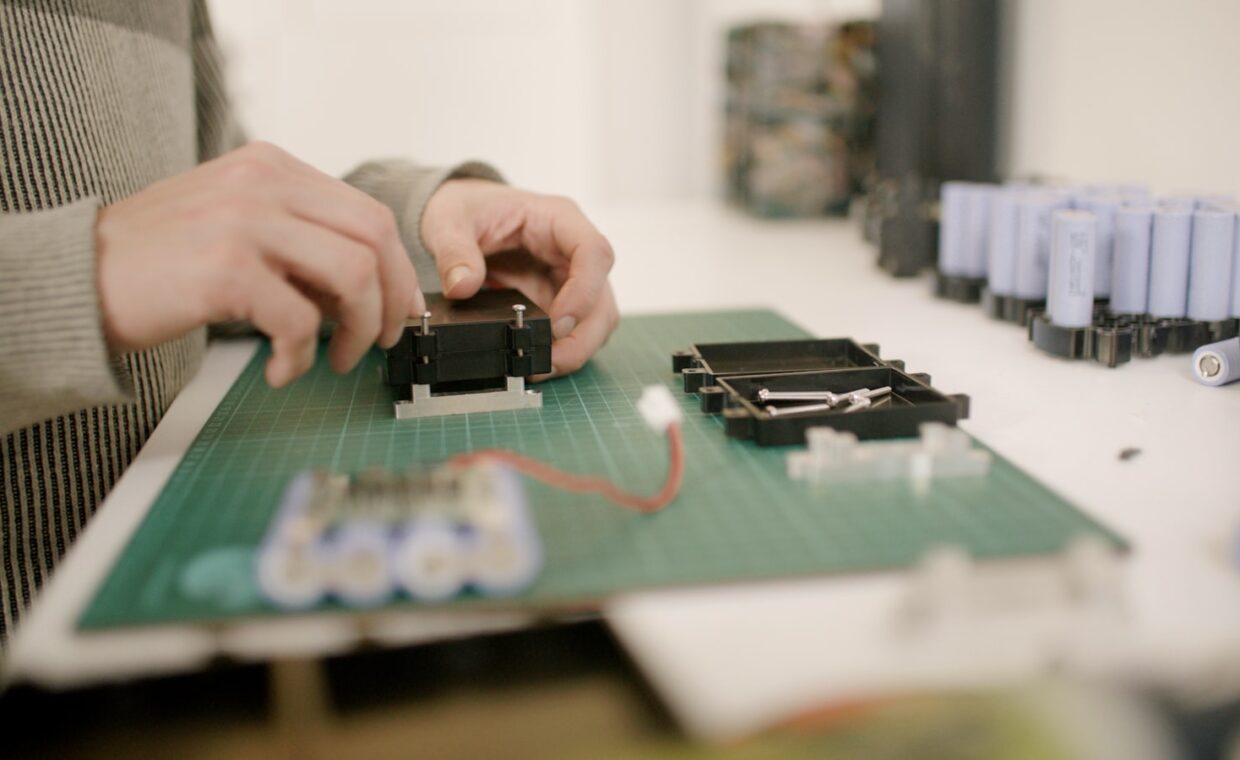
A battery replacement can revive a phone that has become frustrating, restoring the all-day life it had when new, and it is often far cheaper than a new phone. Whether it is worth doing depends on the phone’s remaining useful life in other respects, particularly its software support window, since replacing the battery in a phone that is about to stop getting security updates is spending money on a device with a short safe life ahead, the point made in our piece on how long phone support lasts. On a phone with years of support left, a new battery is one of the best-value ways to extend its life, a calculation our guide to whether a battery replacement is worth it works through, and it interacts with the coverage and efficiency factors covered in the piece on how a phone’s modem affects battery.
The myths worth dropping
Several persistent beliefs about phone batteries do more harm than good. The idea that you must fully drain a phone before charging belongs to an older battery technology and actively harms modern lithium cells, which prefer partial cycles. The fear of leaving a phone plugged in overnight is largely unfounded on modern phones, which stop drawing significant power once full, though the heat of charging in a warm bed is a mild negative. And the notion that closing background apps saves meaningful battery is mostly wrong, since the system already manages them, and constantly reopening apps can use more power than leaving them suspended.
What actually helps is unglamorous: keep the phone cool, avoid charging it hot, use a middle charge band where a setting allows, and do not obsess over the rest. The single most damaging thing most people do is leave a phone somewhere hot, a car dashboard, a sunny windowsill, a pocket during a long charge and game, and simply avoiding that protects the battery more than any charging discipline. Batteries wear out regardless, but gentle treatment can add a year or more of useful life before a replacement becomes necessary.
Questions readers ask
Why does my phone battery drain so fast?
Either the cell has aged and holds less than it used to, which is gradual and normal, or something is using more power than it should, such as a misbehaving background app or poor signal forcing the radio to work hard. Check the battery health figure for wear, and the battery usage breakdown for a culprit. A sudden change points at software; a slow decline points at the cell.
Should I charge my phone to 80 percent?
Keeping the charge in a roughly twenty to eighty percent band does slow ageing, and many phones now offer a setting to cap or hold at eighty percent for this reason. It is a genuine benefit, though a modest one next to keeping the phone cool. An occasional full charge does little harm; it is sustained heat and constant full charging that wear a cell fastest.
When should I replace a phone battery?
When battery health falls toward or below eighty percent of the original capacity and shorter days start affecting you, or when the phone shuts down unexpectedly at safe charge levels. A replacement restores the original all-day life cheaply, but weigh it against the phone’s remaining software support, since a new battery in a phone about to lose updates is money spent on a short future.