
Screen protectors are one of the best-selling phone accessories and one of the most misunderstood. People buy them expecting to stop their screen cracking, and that is largely not what they do. A screen protector prevents one kind of damage very well and another kind hardly at all, and knowing which is which decides whether the small cost is money well spent or a false sense of security.
Two different kinds of damage
A phone screen can be harmed in two distinct ways, and they are not the same problem. Scratches come from hard particles dragging across the surface, the grit of sand and keys in a pocket. Cracks come from impact, the concentrated force of a drop landing on an edge or corner. A screen protector is very good at preventing the first and poor at preventing the second, because scratches and cracks are different physical events with different defences.
Confusing the two is the root of most disappointment. Someone who buys a protector to stop cracks may still crack their screen and conclude protectors are useless, while someone who understands that protectors mainly stop scratches gets exactly what they paid for.
Modern screens already resist scratches
Here is the twist: the glass on modern phones is already hardened to resist scratching from everyday materials, so it takes something genuinely hard, like sand or certain grit, to mark it. This means a protector’s scratch protection, while real, is guarding against a fairly narrow threat that the screen already partly handles. The protector takes the scratch so the screen does not, which preserves resale value and appearance, but it is protecting an already-resistant surface rather than a vulnerable one.
| Threat | Protector helps? | Why |
|---|---|---|
| Scratches from grit and keys | Yes, well | Takes the scratch instead of the screen |
| Cracks from edge and corner drops | Barely | Impact force bypasses a thin surface layer |
| Cracks from flat face-down drops | A little, with tempered glass | Some impact absorption and spreading |
| Cosmetic wear and resale value | Yes | The screen stays pristine underneath |
Why protectors do little against cracks
Most screen cracks come from edge and corner impacts, where a drop concentrates force at a single point on the frame, not flat on the glass. A thin surface protector does almost nothing against this, because the damaging force travels through the frame and flexes the display, bypassing the protector entirely. A tempered glass protector offers slightly more against a flat face-down landing by absorbing and spreading some impact, but against the corner and edge drops that cause most cracks, the real defence is a case with a raised lip and protected corners, as our piece on what a cracked screen actually costs makes clear. The case, not the protector, is what stands between a drop and a repair bill.
The effect on touch and biometrics
A protector sits between your finger and the screen, and a good one is thin and clear enough that you never notice it. A poor or thick one can slightly dull touch sensitivity or interfere with an under-display fingerprint reader, which relies on the screen sensing your finger through the glass. If your phone has a fingerprint sensor under the display, it is worth choosing a protector rated as compatible with it, because an incompatible one can make the sensor unreliable. This is a small consideration for most phones but a real one for those with under-screen biometrics.
When a protector is genuinely worth it
A screen protector is worth its small cost if you want to keep the screen pristine for appearance and resale, or if you regularly expose the phone to grit, sand, or a pocket full of keys. It is a cheap way to keep an expensive screen looking new, which pays off when you come to sell the phone, as our guide to how trade-in values are calculated shows cosmetic condition matters. What it is not is crack insurance, and buying one expecting it to survive drops sets you up for disappointment. Pair a protector for scratches with a good case for impacts, and you have covered both kinds of damage, which is the sensible approach for a device whose repair costs are high and whose value depends partly on staying unmarked, a consideration that runs alongside battery care in the primer on keeping a phone worth keeping and display longevity in the piece on avoiding screen burn-in. The underlying material science is the same durability question explored for storage in the explainer on how hardware wears.
Choosing between the types
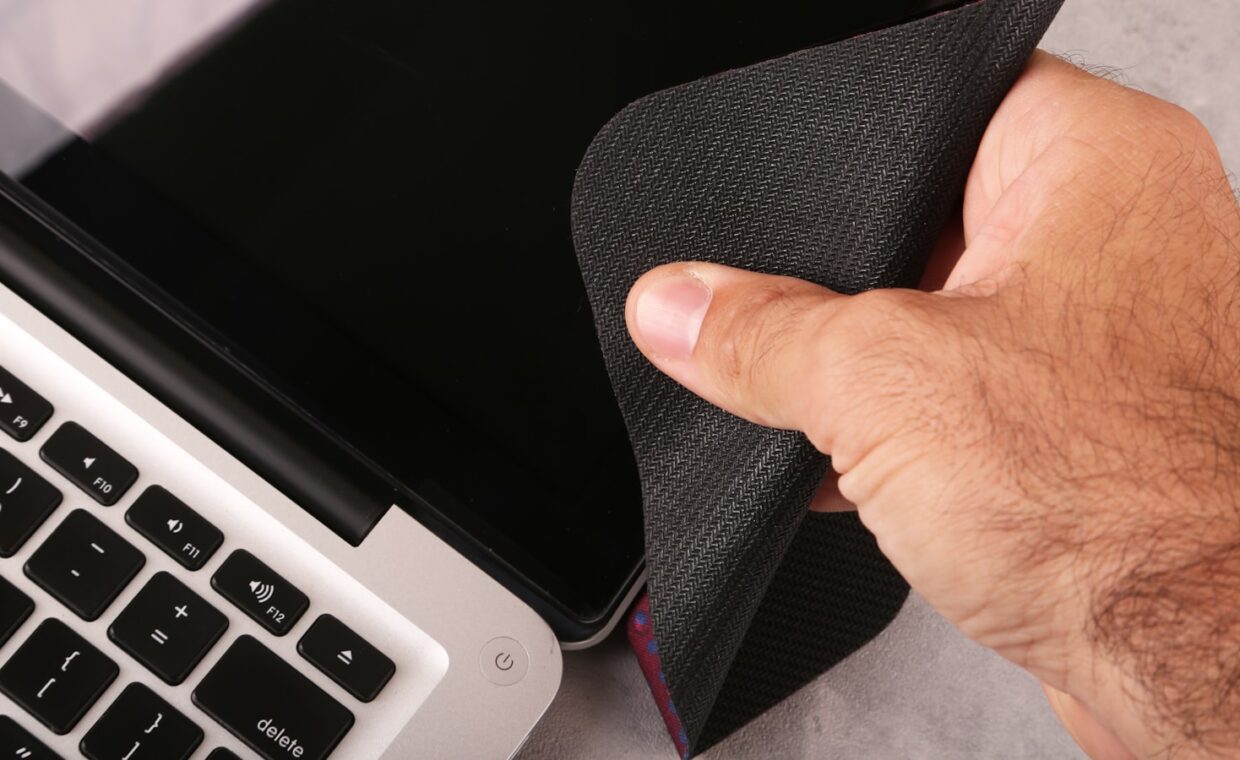
Screen protectors come broadly as thin film and as tempered glass, and they suit different priorities. Film is thinner, cheaper, and barely noticeable, and it protects well against scratches, but it offers almost no impact resistance and can be fiddly to apply without bubbles. Tempered glass is thicker and firmer, feels more like the original screen under the finger, applies more easily, and adds a small amount of impact absorption on top of scratch protection, at a slightly higher cost and with a marginal effect on how the phone looks and feels.
For most people, a good tempered glass protector is the better choice, because it protects against scratches, adds a little against flat impacts, and preserves the feel of the screen. Film suits those who want the thinnest possible layer or have an unusually shaped screen that glass does not fit well. Either way, the value is in scratch protection and preserved appearance, so choosing based on feel and ease of application, rather than on exaggerated impact claims, gets you the right one.
Answers to common questions
Do screen protectors actually work?
They work well for what they actually do, which is prevent scratches and keep the screen looking pristine, and poorly for what people expect, which is preventing cracks. Modern screens already resist everyday scratching, so a protector guards an already-resistant surface, mainly preserving appearance and resale value. For their small cost that is worthwhile, as long as you understand it is scratch protection, not crack insurance.
Will a protector stop my screen cracking?
Mostly no. Most cracks come from edge and corner drops that concentrate force through the frame and flex the display, bypassing a thin surface protector. A tempered glass protector helps slightly against a flat face-down landing, but the real defence against cracks is a case with a raised lip and protected corners. Use a protector for scratches and a case for impacts.
Do protectors affect fingerprint sensors?
A thin, good-quality protector usually does not, but a thick or poor one can interfere with an under-display fingerprint reader, which senses your finger through the screen. If your phone has an under-screen fingerprint sensor, choose a protector rated as compatible with it. For phones with a side or rear fingerprint sensor, the protector has no effect on it at all.