

Trade in a phone and the quote you get back is often lower than you hoped, sometimes dramatically so after inspection. The number is not arbitrary, though: it is built up from a baseline value with a series of deductions, and understanding how the calculation works lets you predict the figure, avoid the surprises, and decide whether trading in is even the right choice.
The baseline, and where it starts
Every trade-in begins with a baseline value for your specific model in perfect condition, set by what the phone is currently worth on the second-hand market. This baseline falls over time as the model ages, and it falls faster in the period right after a newer model launches. The single biggest factor in your baseline is simply which phone you have and how old it is, and there is nothing you can do about that beyond trading in sooner rather than later, since a phone loses value every month you hold it.
From that baseline, the calculation subtracts for everything that makes your phone worth less than a perfect example, and those deductions are where the quote you expected becomes the quote you get.
The deduction ladder, worked through
Consider a phone with a baseline of a certain value in perfect condition. The deductions typically stack like this. Cosmetic wear, scuffs and minor scratches, takes a modest amount off. A cracked screen takes a large amount off, often far more than the repair would cost, because it signals the phone needs work. Degraded battery health below a threshold reduces the value, since the buyer will need to replace it. And any functional fault, a failing camera or a bad button, drops the phone into a much lower tier or disqualifies it entirely.
| Factor | Effect on quote |
|---|---|
| Model and age | Sets the baseline; the dominant factor |
| Cosmetic wear | Modest deduction |
| Cracked screen | Large deduction |
| Battery below a health threshold | Moderate deduction |
| Any functional fault | Large deduction or disqualification |
Why the quote drops after inspection
Online trade-in quotes are provisional, based on the condition you describe, and the final offer comes after the buyer inspects the phone. This is where quotes get reduced, because people honestly but optimistically overstate their phone’s condition, describing a phone with visible wear as good or a phone with a slightly degraded battery as excellent. The inspection applies the real deductions, and the revised offer arrives lower. Describing the phone accurately from the start avoids the disappointment, and it is worth grading your own phone strictly, since the buyer certainly will.
Battery health and its threshold
Battery health deserves special mention because it often sits at a threshold. Many trade-in programmes value a phone above a certain battery health level normally and deduct sharply below it, so a phone just under the threshold is worth notably less than one just over. Since battery health declines with age and use, as the explainer on how a phone ages over its life describes, a phone traded in sooner, while its battery is still above the threshold, can be worth meaningfully more than the same phone a few months later. Timing the trade-in around the battery threshold can be worth real money.
Trade-in versus selling privately
The convenience of trading in comes at a cost: a private sale almost always yields more, because you capture the margin the trade-in company takes. Trading in is fast, safe, and often gives a bonus toward a new phone, while selling privately takes effort, involves meeting strangers or posting the phone, but returns more money. The right choice depends on whether you value the convenience or the extra cash, and on how much the difference is for your specific model. For a valuable, recent phone the private-sale premium can be substantial and worth the hassle; for an older phone worth little either way, the ease of trade-in usually wins. Either way, wiping the phone properly first is essential, and a phone in good cosmetic and functional condition, protected over its life as the guides on avoiding the heat that ages phones and managing battery and display wear describe, commands the best value in both channels, a value rooted in the hardware covered in our look at how phone processors are tiered and the connectivity in the piece on how phones connect.
Getting the most from a trade-in
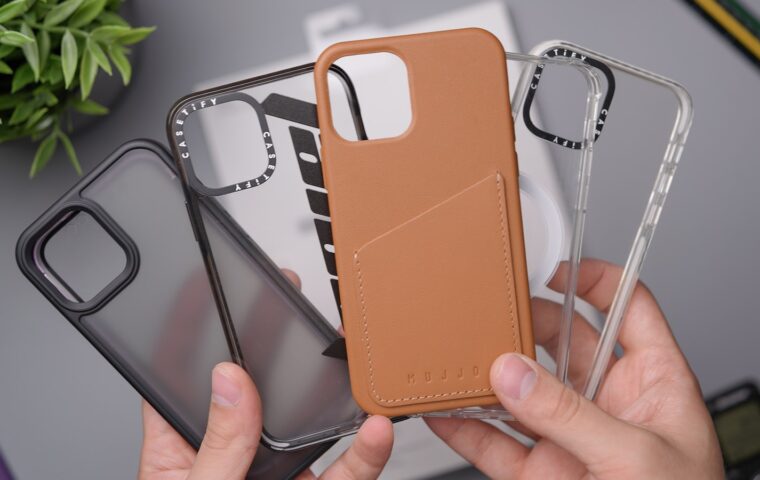
A few steps genuinely improve what you receive. Trade in sooner rather than later, because the baseline value falls every month and drops faster once a newer model launches, so the phone you hold onto for a better deal is usually losing value while you wait. Keep the phone in good cosmetic condition throughout its life with a case and a screen protector, since the cosmetic deductions are avoidable and a well-kept phone lands in a higher tier. And describe the condition honestly when getting a quote, so the inspected offer matches the initial one rather than arriving as a disappointment.
It is also worth deciding in advance what you will do if the revised offer comes back lower than expected. A phone already wiped and posted is awkward to reclaim, so knowing your minimum acceptable figure before you start, and being willing to walk away or sell privately instead, protects you from accepting a poor offer out of momentum. Trade-in works best as a considered choice with a known floor, not as a default you drift into because it is convenient, and the difference between a good and a poor trade-in is often just this preparation.
Common questions, answered
Why was my trade-in value reduced?
Because the initial quote was provisional, based on the condition you described, and the inspection applied the real deductions for cosmetic wear, a cracked screen, degraded battery, or any functional fault. People honestly overstate their phone’s condition, so the inspected offer comes back lower. Grading your own phone strictly and describing it accurately from the start avoids the surprise.
Does a cracked screen kill trade-in value?
It does not kill it, but it takes a large amount off, often far more than the repair would cost, because a cracked screen signals the phone needs work before resale. If a phone is otherwise valuable, it can be worth repairing the screen before trading in, though you should compare the repair cost against the deduction to check the maths works in your favour rather than assuming.
Is trade-in better than selling privately?
Trade-in is more convenient, faster, and safer, and often gives a bonus toward a new phone, but a private sale almost always returns more money because you keep the margin the trade-in company takes. For a valuable recent phone the private premium can be substantial; for an older phone worth little either way, trade-in’s ease usually wins. Choose based on convenience versus cash.